

Home Ionic sulfonitrocarburizing

Ionic sulfonitrocarburizing: improving anti-wear and friction performance

Objective: Resistance to seizure, wear and fatigue (high sliding performance)

TRIONIC 100® is a thermochemical sulfonitrocarburizing treatment using ionic plasma activation.

This process, developed and industrialized by the THERMILYON Group for over 40 years, creates a highly hard sulfonitrocarbide layer, to which sulfur compounds are added to enhance sliding properties.
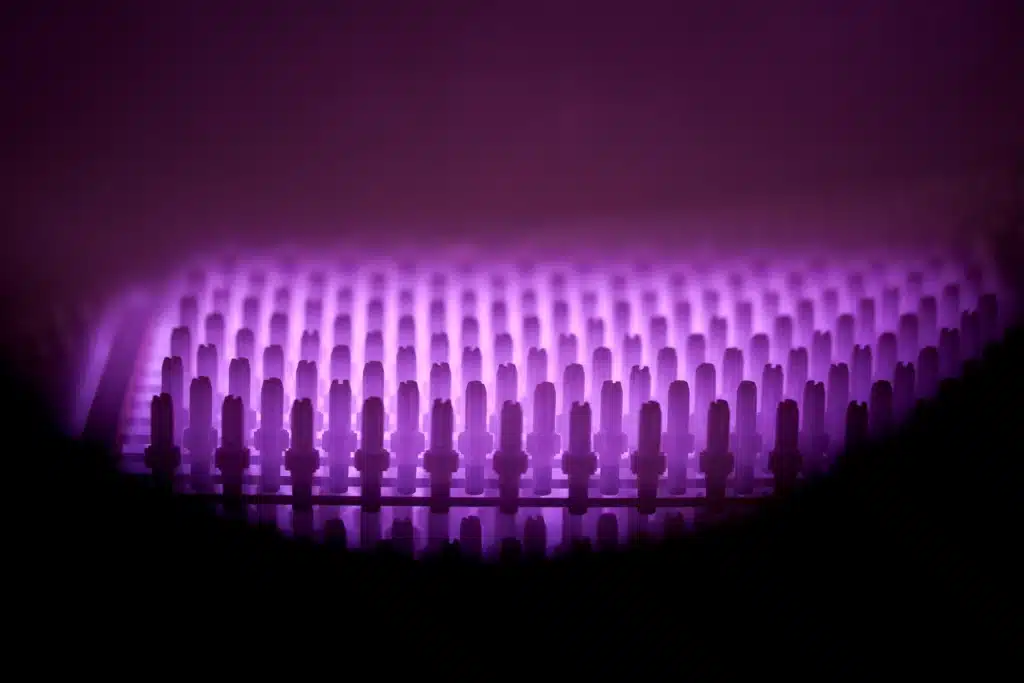
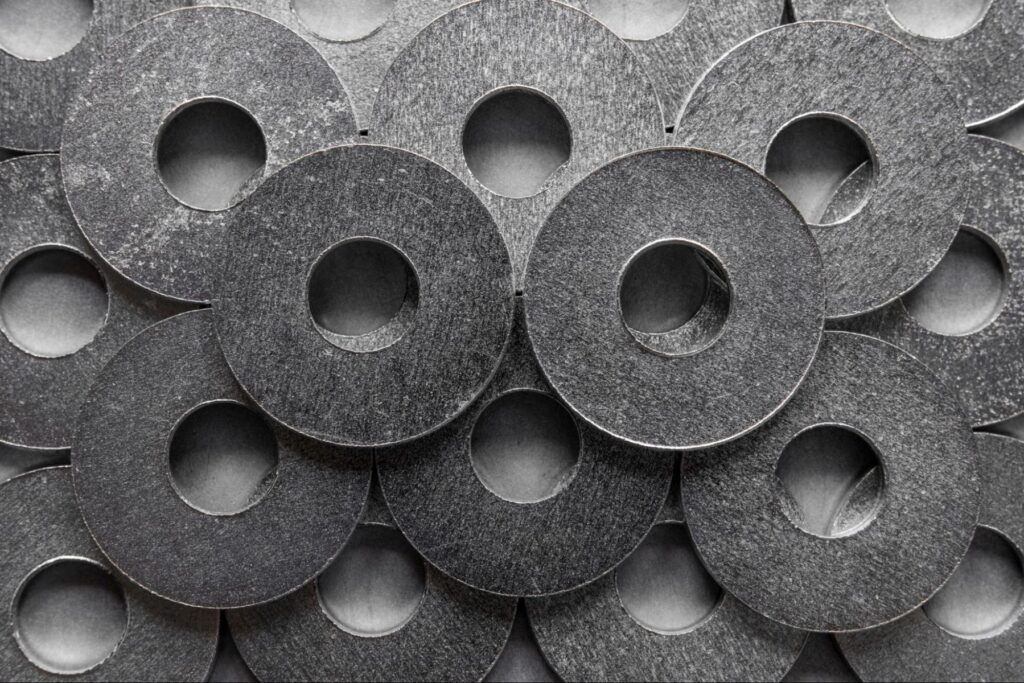
parts undergoing ion nitriding treatment

Sulfonitrocarburizing steps

Oven preparation

The treatment is carried out in a vacuum-tight enclosure, into which the active gas mixture is injected.

Gas mixture injection

The elements nitrogen N, sulfur S and carbon C, obtained by plasma gas dissociation, react with the surface of the material at an adjustable temperature (generally between 450 and 570°C) to form a sulfonitrocarbide surface layer.

All treatment parameters (gas mixture composition and flow rate, temperature, pressure and plasma characteristics, etc.) are adjustable and regulated according to the material and type of coating required.

Composition of the sulfonitrocarburizing layer

The layer includes :

1. A combination layer (white layer) of 5 to 20 microns of very high hardness, favoring sliding, consisting of ε-carbonitrides and iron sulfide.

2. An underlying diffusion layer increases the material's wear and fatigue resistance.

The composition and depth of the layer depend on the grade of steel being treated and the setting of the process parameters.

    Features and benefits

    wear resistance

    The very hard nitride combination layer ensures resistance to abrasive wear and pitting.

    seizure resistance

    The porous zone promotes running-in and retains lubricant, for high resistance to seizure, even in abrasive environments. Sulfur acts as a solder inhibitor.

    Savings opportunities

    By "metal covers" protecting the parts not to be treated. 

    dimensional stability

    Treatment carried out at limited temperature and on finished parts.

    Information to be communicated for study or order

    Information to be communicated :

    - Floor plans (with any savings)

    - Number of pieces per shipment per year

    - Type of metal: standard or commercial designation

    - Previous treatments: specify temperatures

    - Specification of desired layers or part loads

    Ask for a quote

    business sectors concerned

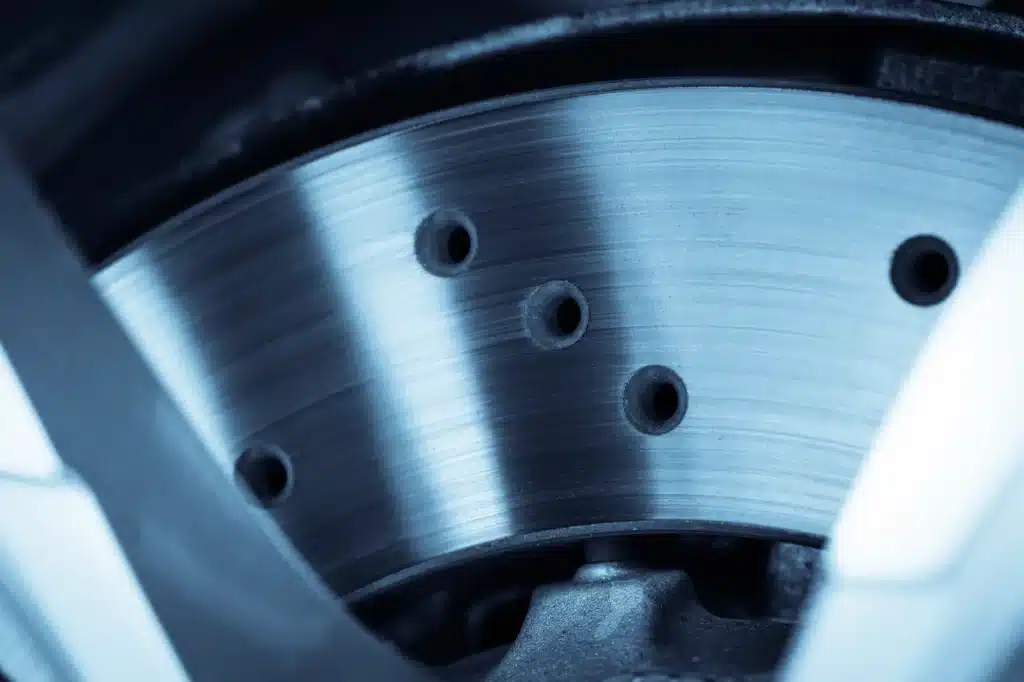
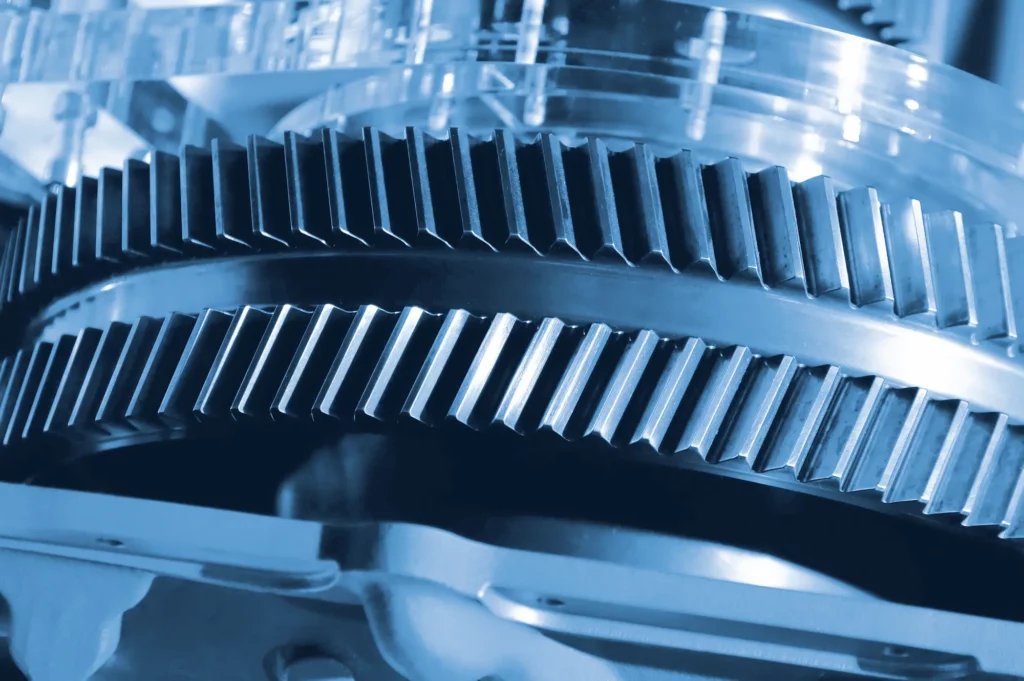
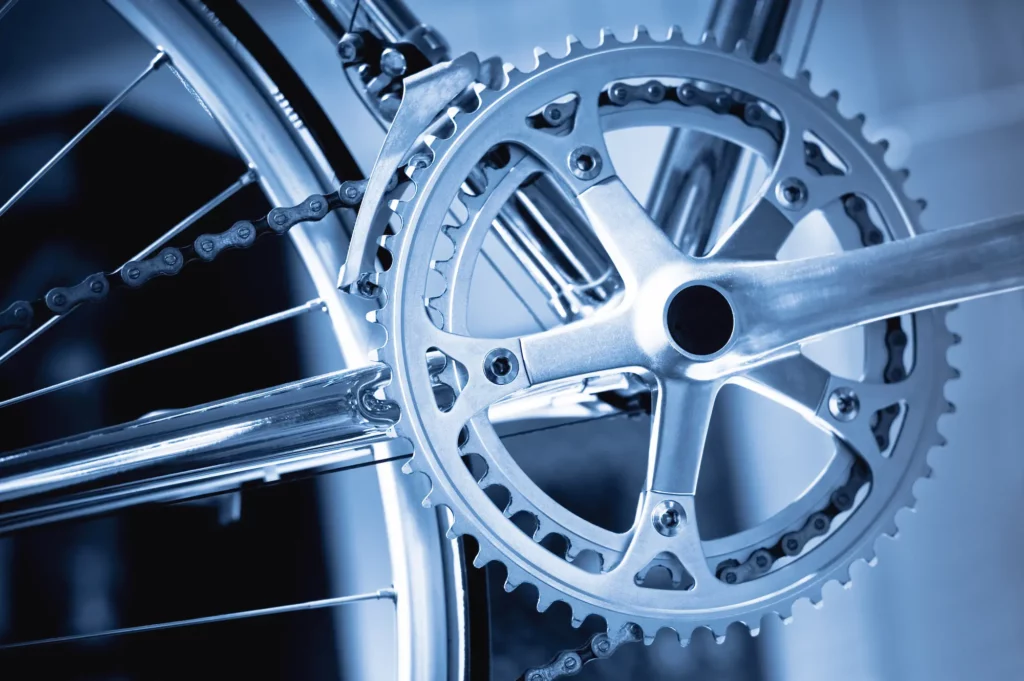
    The sulfonitrocarburizing process is ideally suited to parts and tools subject to high wear, abrasion, seizure and fatigue.
    Discover our documentation
    Heat treatment white paper

    Sulfonitrocarburizing data sheet

    Discover all our documentation

    Our FAQs

    What is the purpose of case-hardening? 

    Incorporate carbon below the surface of the steel part to improve fatigue and wear resistance on the surface, while maintaining good core mechanical properties.

    How does low-pressure carburizing differ from traditional carburizing?

    Low-pressure carburizing uses furnaces with electric heating, very small quantities of carburizing gas and often neutral gas cooling. Traditional carburizing uses furnaces with gas heating, an atmospheric pressure carburizing atmosphere and oil quenching.

    What advantages does low-pressure carburizing offer for industries such as the automotive industry?

    Cleanliness and a lower level of deformation enable us to make financial savings by eliminating the need for subsequent washing or sandblasting operations, and by reducing the number of repeat machining operations.

    Why are vacuum furnaces used in low-pressure carburizing? 

    Vacuum furnaces guarantee the absence of air, and therefore oxygen, in the furnace. So there is no oxidation. What's more, the low-pressure carburizing process operates at a very low pressure compared with atmospheric pressure, hence the use of vacuum pumps to reach this pressure level.

    What types of parts are typically processed by low-pressure carburizing at Thermi Lyon?

    Parts requiring a high degree of cleanliness (e.g. holes, bores, finished parts), highly machined parts sensitive to deformation, stainless steel parts, etc.

    See all FAQs

    Do you have a question or a need?

    Our dedicated team will get back to you.

    Contact us

    Our latest news

    Discover the latest news on heat treatment and vacuum coatings.
    What are the implications of certifications for heat treatment in the aerospace industry?
    In the aerospace industry, every component must meet extreme standards for safety, performance, and reliability. Heat treatment plays a central role in achieving the desired mechanical properties, but it cannot be carried out without a strict framework for control and validation. This is where certifications and […] come into play.
    March 26, 2026
    What are the implications of certifications for heat treatment in the aerospace industry?
    Vacuum Deposition and Heat Treatment: Toward Ever More Effective Solutions?
    In an industrial landscape characterized by ever-increasing demands for reliability, durability, and performance, manufacturers are seeking solutions capable of optimizing the performance of their mechanical components. Heat treatment and vacuum coating have emerged as key technological solutions for addressing these challenges. Whether the goal is to increase […]
    May 7, 2026
    Vacuum Deposition and Heat Treatment: Toward Ever More Effective Solutions?
    stainless steel components requiring appropriate heat treatment
    What heat treatments are used for stainless steel components?
    Stainless steels are a family of materials that are essential in a wide range of industrial sectors, including medical, aerospace, automotive, tools, energy, and electronics. Their properties make them indispensable for critical components. However, even a material as high-performance as stainless steel requires considerable expertise to achieve its optimal performance. This is where treatments come in.
    March 2, 2026
    What heat treatments are used for stainless steel components?
    aerospace mechanical workshop in the Paris region
    Heat treatment in Île-de-France, a key driver for the performance of aerospace industry players
    With the presence of manufacturers, engine builders, equipment suppliers, and maintenance centers, the Île-de-France region occupies a strategic position in the European aerospace industry. In this environment, where every component must guarantee absolute safety, mastery of heat treatment in Île-de-France has become an essential factor in performance. Metal parts designed to fly, withstand [...]
    February 23, 2026
    Heat treatment in Île-de-France, a key driver for the performance of aerospace industry players
    How does vacuum deposition improve resistance to friction and wear?
    In many industrial sectors, component wear remains one of the main causes of reduced performance, premature failure, and additional maintenance costs. Faced with these constraints, the use of vacuum coatings has emerged as a leading technological solution for improving the durability of parts subjected to repeated friction. Thanks to […]
    February 2, 2026
    How does vacuum deposition improve resistance to friction and wear?
    tray containing medical devices made of steel and heat treated
    The role of heat treatment in extending the service life of medical components
    In the medical sector, every instrument, implant, or assembly component must guarantee an impeccable level of reliability. Parts are subjected to demanding conditions: constant contact with the human body, exposure to chemical agents, repeated mechanical stress, and intensive sterilization cycles. To ensure consistent performance over time, it is […]
    January 21, 2026
    The role of heat treatment in extending the service life of medical components