

Luxury and Home Decor Market
The luxury and home décor sectors are seeking innovative solutions and a wide range of colors that stand the test of time. Thanks to its expertise in vacuum deposition, the Thermilyon Group meets these expectations. THERMI-PLATiN, a division of the Thermilyon Group, has been a leader in this field for over 25 years.
Ask for a quotePrestige Line – Combining Aesthetics and Durability
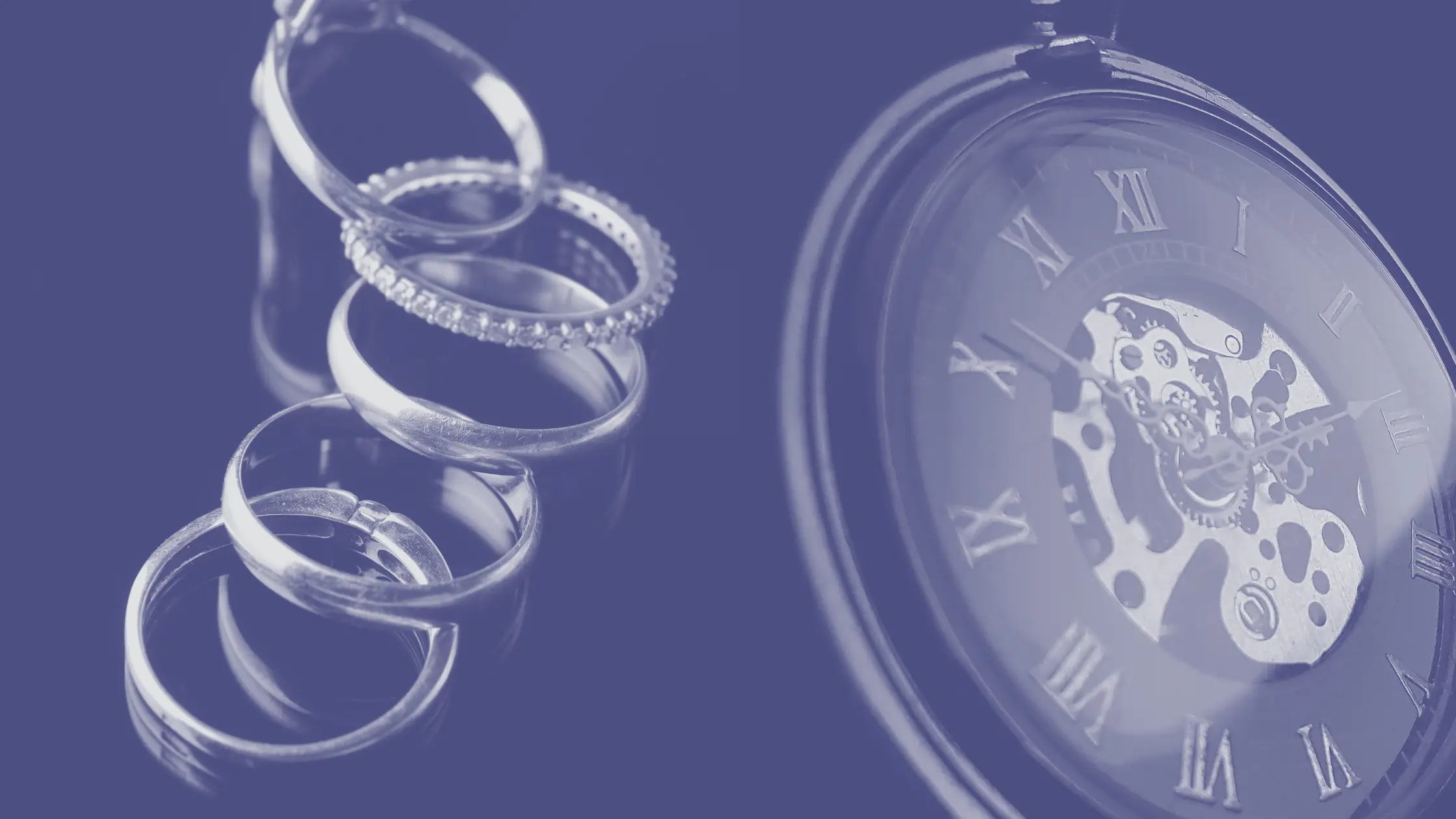
The luxury and home décor markets are constantly seeking innovations to meet consumer trends and needs. It is essential to offer a variety of colors and finishes while ensuring the durability of the products.
These markets consist of numerous components:
– Watchmaking: oscillating weights, hands, dials…
– Jewelry: earrings, bracelets, links
– Eyewear: frames and temples
– Leather goods: buckles, rings, and buttons
– Tableware: knives, forks
– Spirits: corks and rings
– Cosmetics: packaging and holders
– Writing instruments: pens, caps, clips
– Faucets: mixer taps
Your project is unique, so are our solutions.
Read more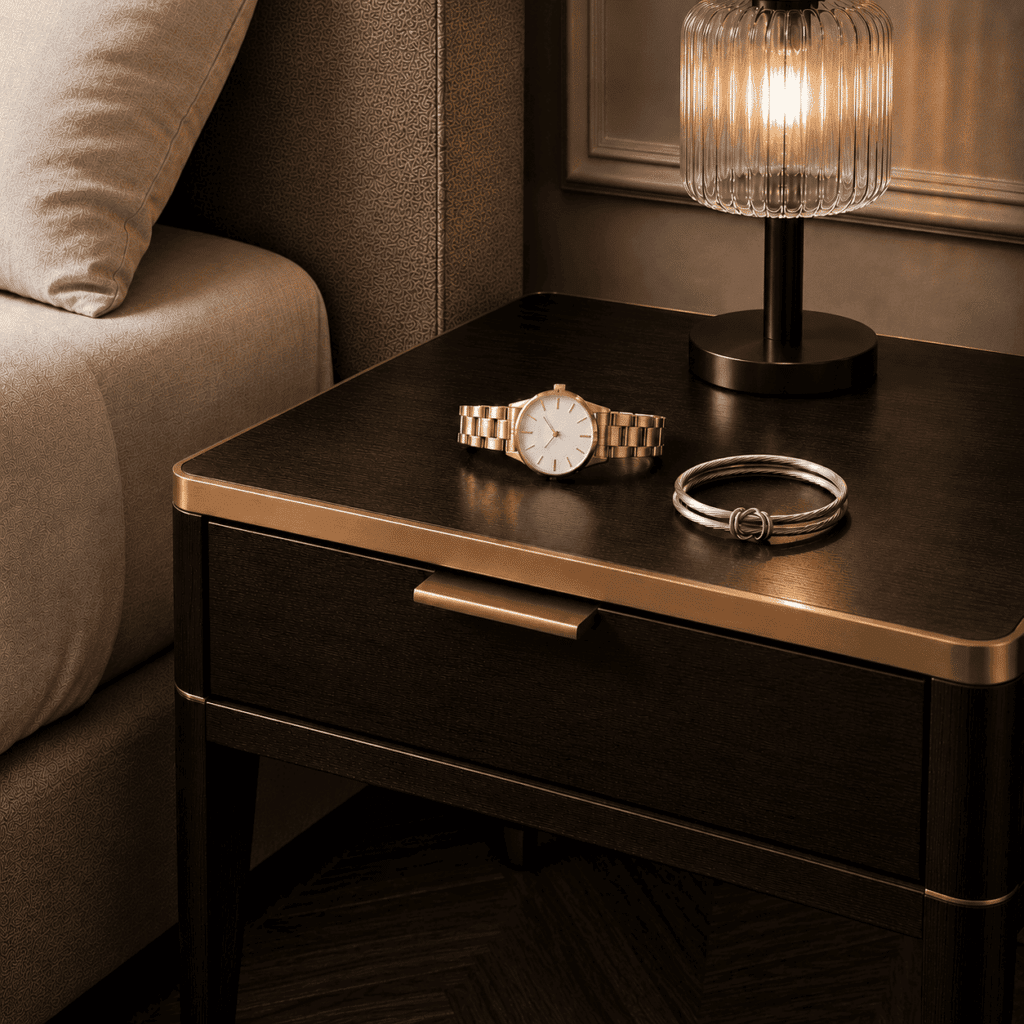
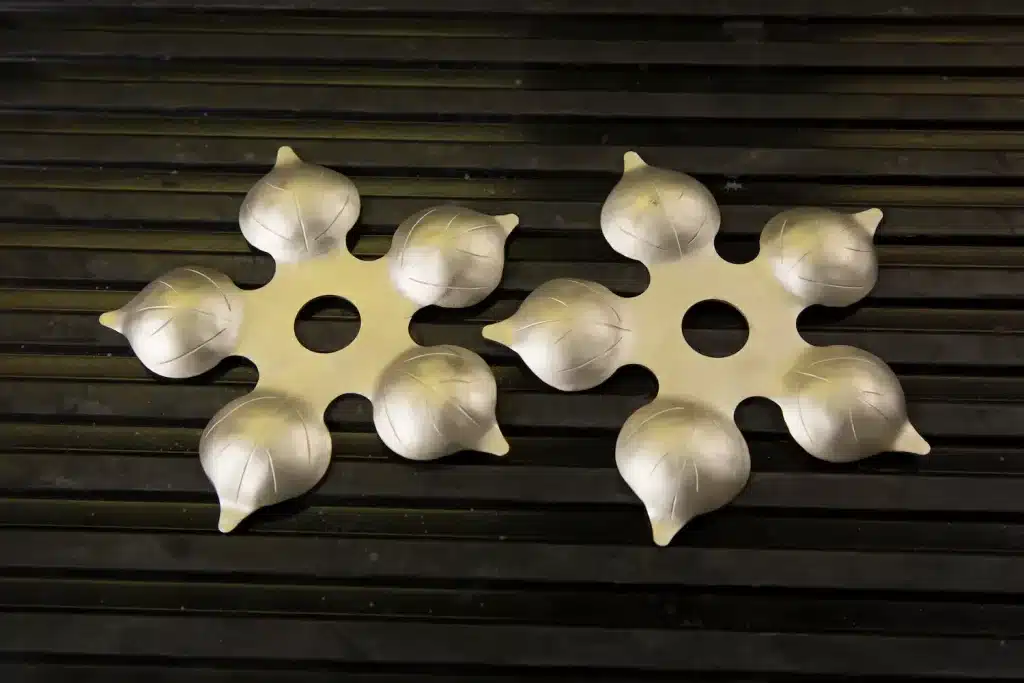
production site specialized in the decorative and luxury markets
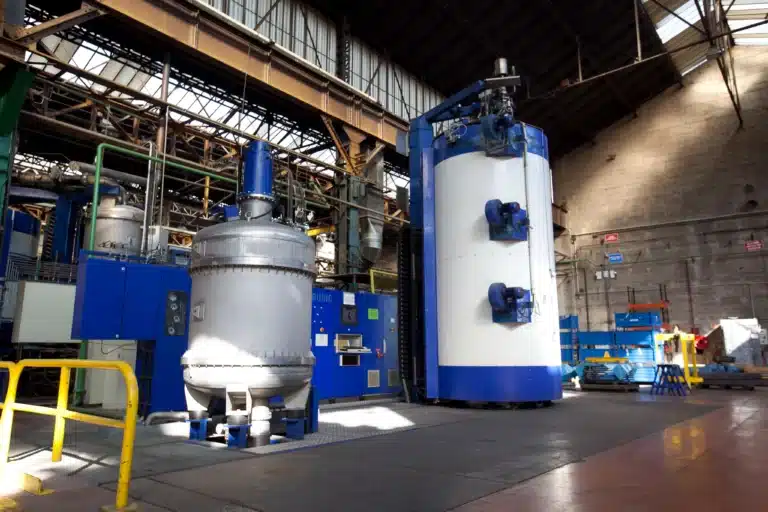
deposit machines
coating solutions
SOLUTIONS FOR THE LUXURY AND HOME DECOR MARKETS
To meet quality and customization needs, THERMI-PLATiN offers an adapted service using greentech technology: our vacuum deposits are an alternative to electroplating and electroplating.
Black

Anthracite gray

Chrome

Brass-colored

Gold

Champagne gold

Eggplant

Do you have a question or a need?
Our team dedicated to the decorative and luxury sectors is ready to answer your questions.
Contact usOur FAQs
Vacuum deposition is a surface treatment used to deposit a material or alloy on a mechanical part.
The use of vacuum technology ensures a perfectly clean, non-polluting process.
It is not subject to REACH legislation.
This process significantly increases resistance to wear, abrasion, and friction. As a result, the service life of the components is greatly extended.
Standard thicknesses are of the order of 3µm and deposition is carried out on finished parts.
PVD stands for physical vapor deposition. The material to be deposited is produced by evaporation or atomization through a physical process. PACVD stands for plasma-assisted chemical vapor deposition. The material to be deposited is produced through chemical reactions. The plasma allows this chemical reaction to occur at a lower temperature.
The deposition method depends above all on the nature of the coating to be deposited and the substrate.
If the substrate cannot be heated to high temperature, the deposition must be carried out using low-temperature technology.
If the coating to be deposited consists of a solid element (metal or graphite target), a physical process such as PVD is used. If the coating consists of a gas or liquid, a chemical process such as CVD or PACVD is used.
Nature of steel or carbide, if steel treated, please specify the treatments carried out. Desired characteristics (hardness), quantities of parts per shipment and per year, drawings of the part and specifications. If possible, how the part will be used and its final purpose.