


In many industrial sectors, component wear remains one of the main causes of reduced performance, premature failure, and additional maintenance costs.
Faced with these constraints, the use of vacuum coatings has emerged as a leading technological solution for improving the performance of parts subjected to repeated friction.
By controlling the surface and adding extremely thin, hard protective layers, this process makes it possible to sustainably optimize mechanical and tribological resistance. Understanding how vacuum deposition reduces wear and helps improve the reliability of parts is therefore essential for demanding industries.
Vacuum deposition: a surface treatment process designed to strengthen materials
What is vacuum deposition?
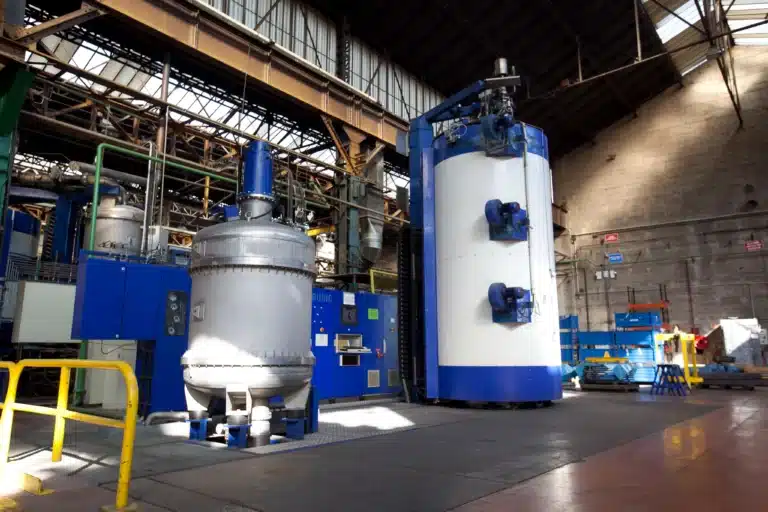
Vacuum deposition is a process that involves applying a thin layer to a metal part in a chamber that has been evacuated of all air and contaminants. In this controlled vacuum environment, the materials used to form the coating are converted into a gaseous form before being deposited evenly onto the surface of the part. Among the most widely used technologies are PVD (Physical Vapor Deposition) and PA-CVD ( Plasma Assisted Chemical Vapor Deposition) processes, each of which produces a type of coating suited to specific requirements.
Why is vacuum deposition effective against wear?
This process is particularly effective against wear, as it permanently modifies the surface structure of the material. The creation of a protective filmincreases hardness, reduces the coefficient of friction, and limits abrasion.
The goal is to obtain a resistant, homogeneous layer that remains stable over time and can withstand repeated mechanical cycles without deteriorating. This is precisely what makes vacuum deposition a major asset for technical parts subject to wear and tear.
Improvement mechanisms: how vacuum deposition reduces friction
Creation of a harder and more resistant surface
One of the primary benefits of vacuum deposition is a significant increase in surface hardness. A coating such as titanium nitride (TiN) or amorphous carbon (DLC type) provides high mechanical strength, allowing parts to better withstand local pressures, microscopic impacts, and repeated stresses.
Reduction in friction between contacting surfaces
Thanks to the very nature of the deposited layers, friction is reduced, sometimes dramatically. Some coatings have a quasi-lubricating effect, which limits heating, improves sliding, and reduces the energy dissipated through friction. Movements become smoother, surface fatigue decreases, and the part remains efficient for longer.
Protection against abrasion and adhesion
Vacuum deposition also offers excellent abrasion resistance. The barrier layer limits micro-scratches, material tearing, and adhesion between two parts in contact. The absence of seizing directly contributes to extending service life, a crucial advantage for components operating in intensive environments. Thanks to these combined mechanisms, the improvement in wear provided by vacuum deposition is clearly measurable in the field.
Measurable benefits for the industry
A significant reduction in part wear
One of the most visible effects is reduced mechanical wear. Protected surfaces deteriorate much less quickly, which delays maintenance work and avoids costly replacements. Companies thus see a direct gain in durability.
Stable performance even under extreme conditions
Coatings obtained by vacuum deposition retain their properties even in the presence of chemicals, high temperatures, or rapid thermal variations. They offer remarkable stability, which is essential in highly demanding industrial environments.
Increased productivity and improved reliability
With more durable parts, unexpected interruptions are reduced. Machines operate longer without corrective maintenance, improving overall efficiency. This increased reliability represents a strategic advantage for industries where production continuity is a major issue, further reinforcing the relevance of vacuum deposition in combating wear and tear.
Applications of vacuum deposition in demanding sectors
Medical industry
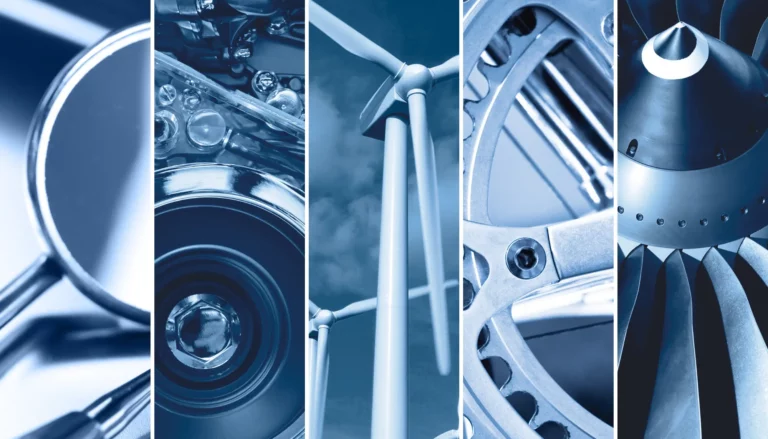
In the medical sector, surgical instruments, implants, and high-precision tools require resistant surfaces that are perfectly stable and easy to clean. Vacuum deposition improves their durability, reduces wear, and ensures consistent performance over repeated use.
Automotive and mechanical parts
Components exposed to intense friction, such as engine parts, injection components, or drive shafts, benefit particularly from these coatings. Reduced friction improves efficiency, limits energy losses, and extends the service life of systems.
Tools and industrial manufacturing
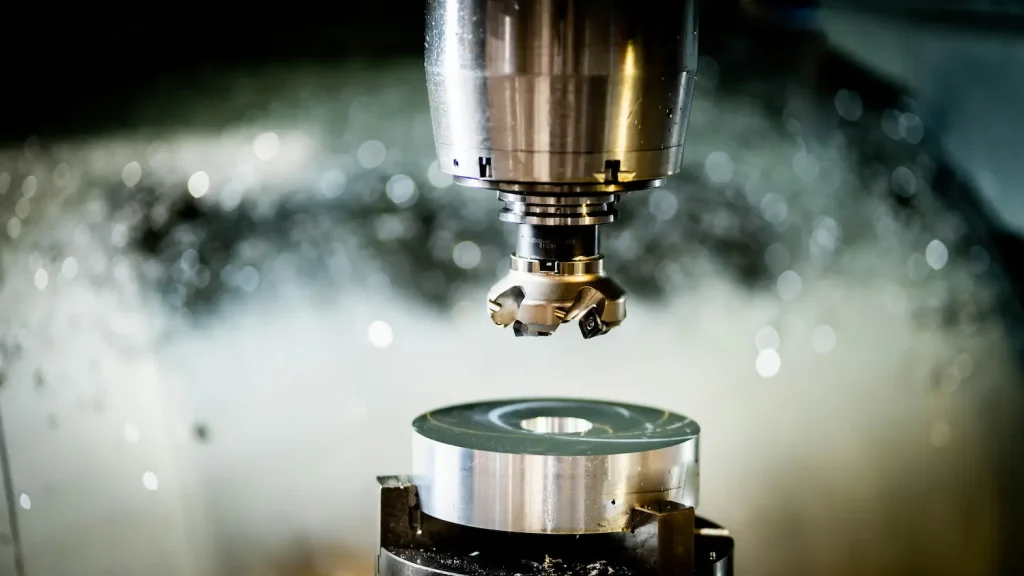
Industrial cutting tools, molds, and wear parts are subject to extreme stresses. Vacuum deposition provides essential protection against abrasion, erosion, and sticking, ensuring better dimensional stability and longer service life.
Aeronautics and demanding environments
In this sector, every gram counts and every component must be reliable. Vacuum coatings guarantee increased resistance to thermal cycles, vibrations, and repeated contact, without altering the geometry of the components.
Vacuum deposition is currently one of the most effective solutions for strengthening the resistance of technical surfaces and limiting wear caused by friction. Thanks to its protective mechanisms, it improves the reliability, durability, and overall performance of parts exposed to severe stresses. To implement a vacuum deposition process tailored to the needs of your industry, relying on an experienced partner such as the Thermilyon Group guarantees results that meet your requirements.