
Home Low-pressure nitriding

Nitriding and low-pressure nitrocarburizing

Objective: Resistance to fatigue, wear and seizure

Nitriding is a thermochemical treatment involving the diffusion of atomic nitrogen N onto the surface of steel parts previously hardened and tempered. Nitrocarburizing, a variant of nitriding, combines the diffusion of nitrogen and carbon, enhancing the mechanical strength and wear resistance of treated parts. The insertion of nitrogen N (or N and C for nitrocarburizing) into the steel and the formation of nitrides with the alloying elements improve surface hardness and provide desirable properties, such as a hardness of 750 to 1100 HV.
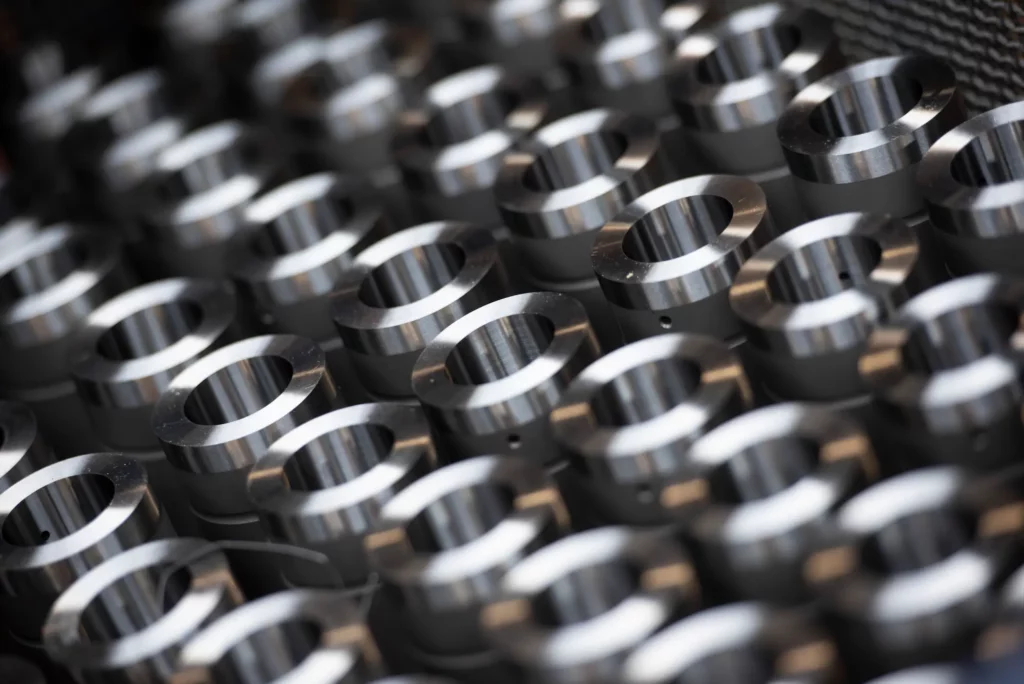
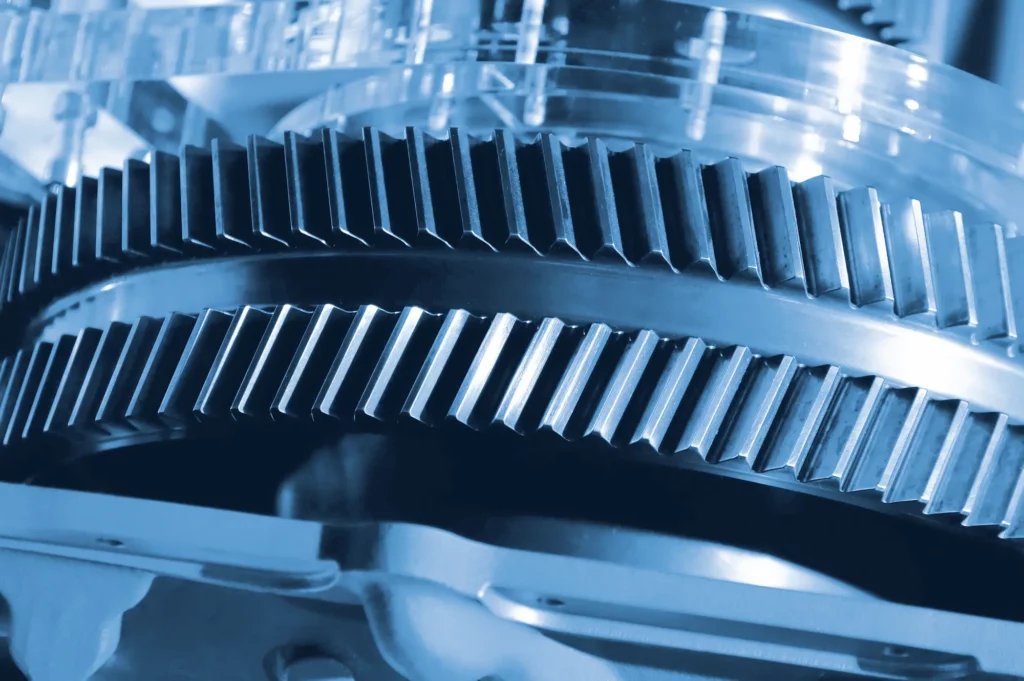
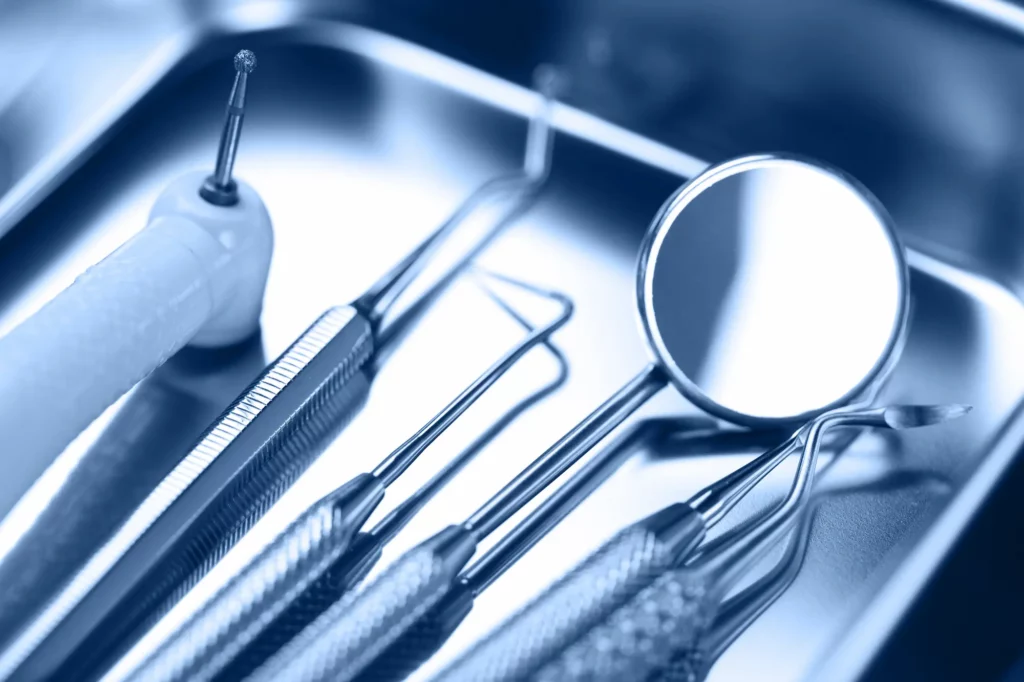
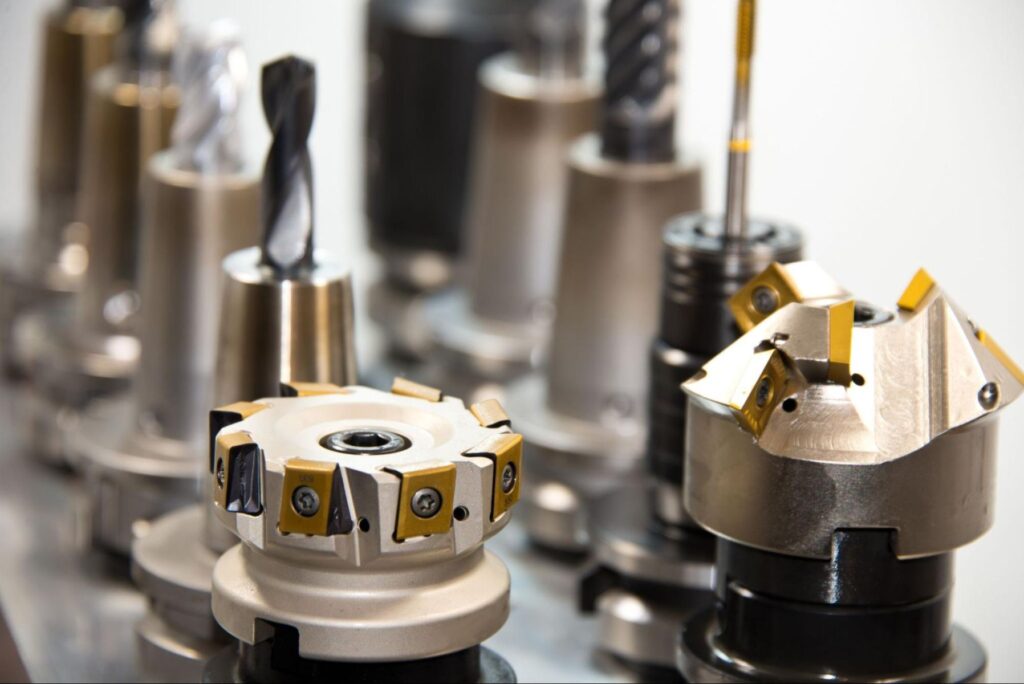
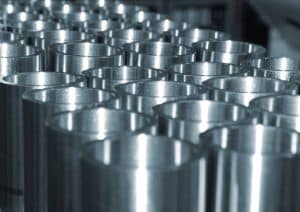
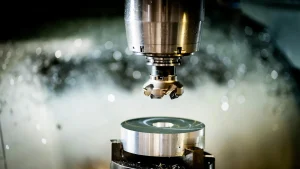
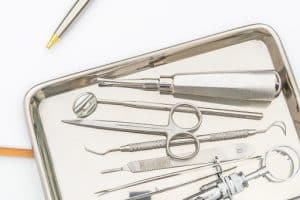
Treated parts

Our process for low-pressure nitriding

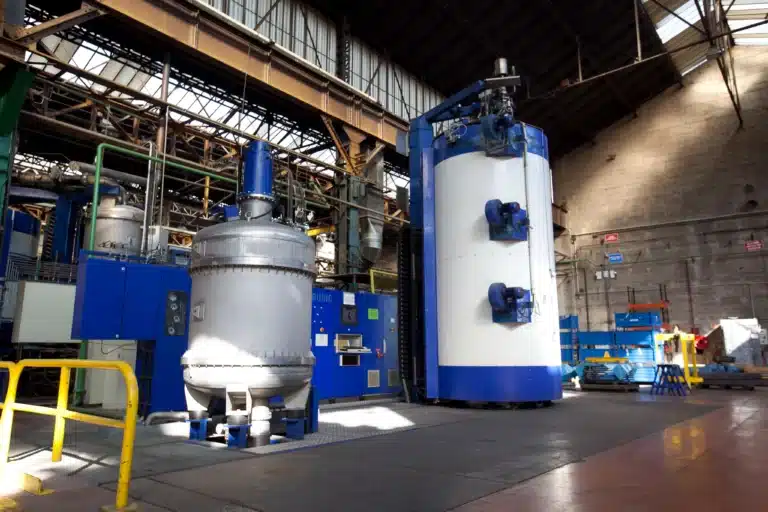
Furnaces used for low-pressure nitriding are generally cubic in shape, with horizontal charging. The heat treatment cycle is punctuated by a vacuum between sequences to optimize nitrogen diffusion in the materials.

Oven preparation

After evacuation, the furnace is purged by nitrogen circulation, and heated by forced convection to the optimum process temperature. This step effectively prepares the process atmosphere for optimum application of the thermochemical process.

Gas injection

The active gas mixture, comprising NH3 or NH3+fuel gas+N2O, is then injected, and maintained at a controlled temperature for a time calculated to obtain the desired layer depth . The nature and depth of the nitrided layer depend on specific parameters such as the steel grade used, the time, temperature and composition of the treatment atmosphere, offering enhanced quality and resistance to fatigue and wear.

Typical cycle

- pre-oxidation : temperature 300-400° with injection of nitrous oxide N2O for effective surface preparation.
- nitriding : temperature 500-580° with injection of NH3, N2O, and fuel gas for nitrocarburizing.
- post-oxidation (optional): temperature 400-500° with injection of nitrous oxide N2O to finalize the treatment and improve the corrosion resistance of the metal part.

Composition of the nitrided layer

- a 5 to 25 micron combination layer where nitrogen is combined with iron nitrides to enhance wear resistance

- a diffusion layer of 0.1 mm, depending on steel grade and treatment time, providing good resistance to fatigue (but also to wear). 

    Features and benefits of low-pressure nitriding

    Nitriding, an advanced heat treatment, gives metal parts (which may already be finished) excellent resistance to wear and seizure, as well as increased fatigue strength, with very limited deformation. Performed in nitriding furnaces specially designed for this process, low-pressure nitriding offers significant additional advantages.

    Mastery

    Computerized process management enables precise control of the composition and depth of the combination layer on treated parts. This automatic, precise control optimizes the gas phase and nitrogen diffusion, even in complex structures such as parts in contact or with blind holes.

    Homogeneity

    Thanks to the uniform application of low-pressure treatment gases and good thermal uniformity (plus or minus 5°C), low-pressure nitriding offers very good homogeneity of the nitrided layer on all types of parts, including those with complex geometries or specific requirements in terms of surface hardness.

    Competitiveness

    Optimized charging density in the nitriding furnace significantly reduces production costs. This economic efficiency, combined with a high-performance treatment facility and high-quality results guaranteeing the durability of parts, makes low-pressure nitriding a particularly competitive solution for industry, especially in demanding sectors such as medical and tooling.

    The low-pressure nitriding technique

    Low-pressure nitriding is carried out in a forced convection furnace, operating at a pressure of around 300 mbar, using an active gas mixture. This reduced pressure significantly improves gas exchange at the surface of the parts, facilitating a homogeneous nitride layer and an effective diffusion layer.

    The active species, consisting of atomic nitrogen N (or N and atomic carbon C), derive from the dissociation of ammonia NH3 (or NH3 and a fuel gas) and chemical reactions occurring at the high processing temperature of 500 to 570°C. This process ensures a high-strength nitrided layer, optimizing wear resistance and minimizing deformation of metal parts, essential in industries such as medical and tooling where durability and precision are critical.
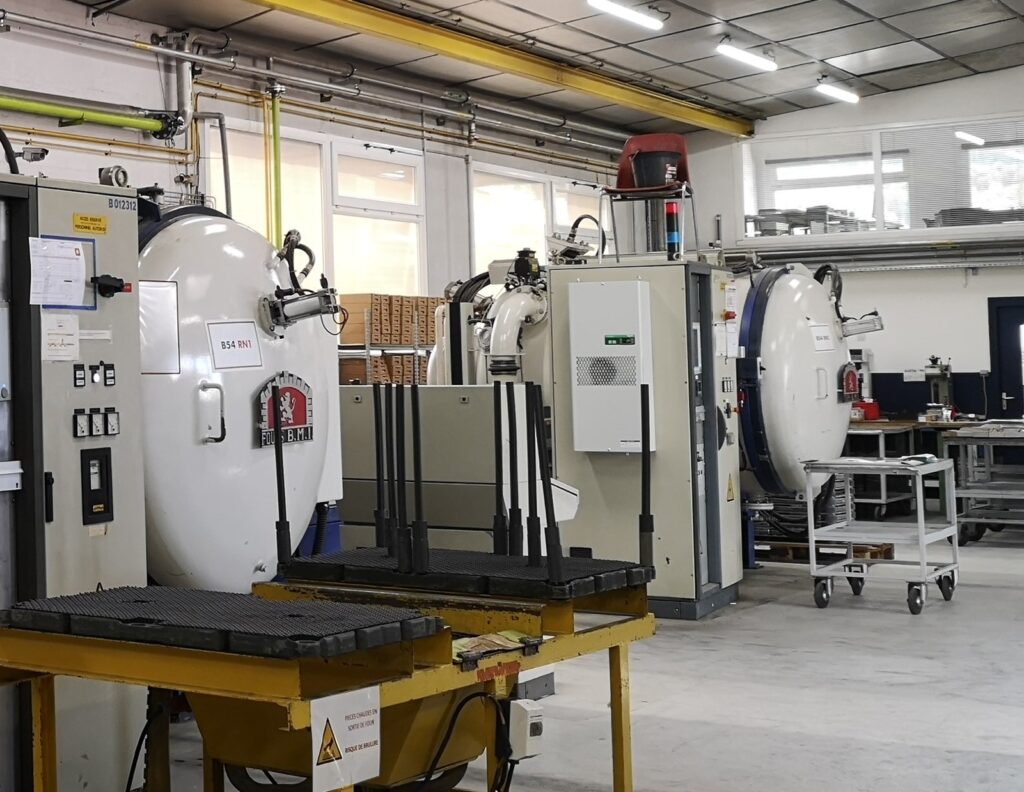
    low-pressure nitriding furnace at thermi-bugey

    For study and order

    Information for low-pressure nitriding :

    - Drawing of the part (possibly including: area to be protected).
    - Number of parts per shipment and per year.
    - Type of steel: standardized (or commercial) AFNOR designation.
    - Specification of the layers to be produced (with machining allowance, if any).
    - Previous treatments (pretreated, tempered, stabilized, annealed).

    Ask for a quote

    business sectors concerned

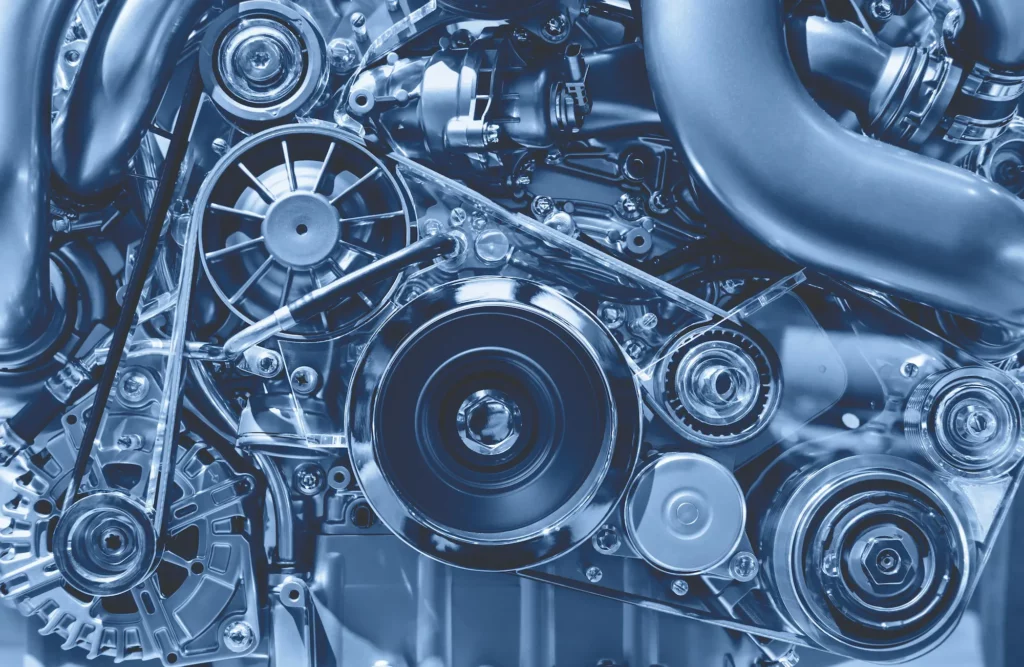
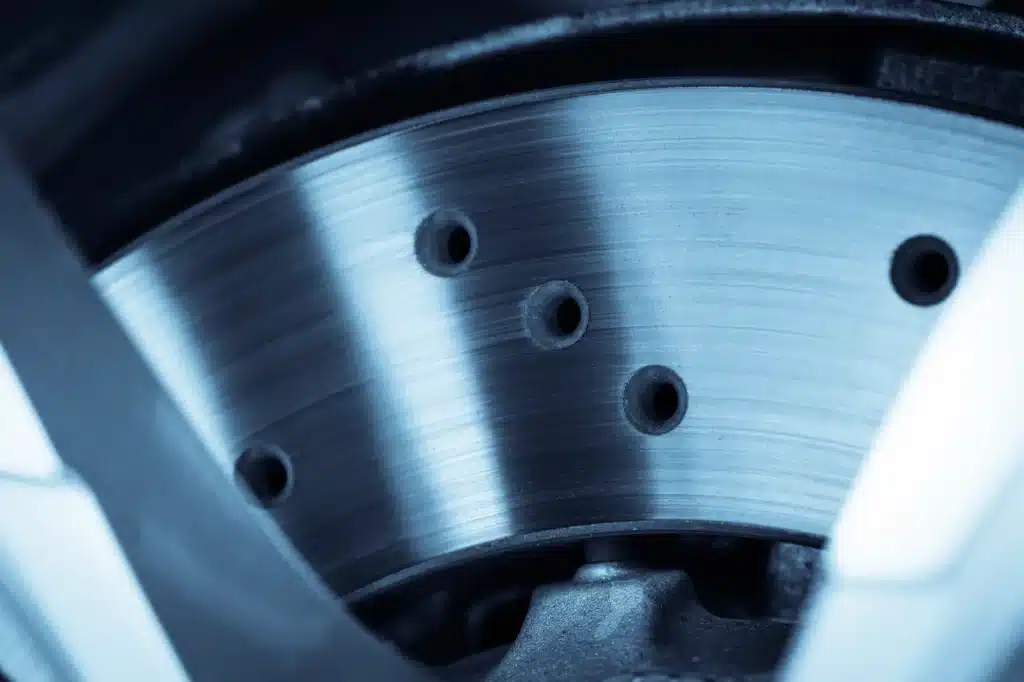
    Typical applications: turned parts, cutting tools, plastic injection molds, cams, slides, wear parts, etc.
    Our various documentations
    Heat treatment white paper

    Low-pressure nitriding

    See all our documentation

    Our FAQs

    What is vacuum deposition?

    Vacuum deposition is a surface treatment used to deposit a material or alloy on a mechanical part.

    The use of vacuum technology ensures a perfectly clean, non-polluting process.

    It is not subject to REACH legislation.

    What are the advantages of PVD technology?

    This process significantly increases resistance to wear, abrasion, and friction. As a result, the service life of the components is greatly extended.

    Standard thicknesses are of the order of 3µm and deposition is carried out on finished parts.

    What's the difference between PVD and PACVD?

    PVD is physical vapor deposition. The element to be deposited is obtained by evaporation or sputtering via a physical process. PACVD is plasma-assisted chemical vapor deposition. The element to be deposited is obtained from chemical reactions. Plasma enables this chemical reaction to take place at lower temperatures.

    What are the industrial applications of vacuum deposition?

    Vacuum deposits are classified into several categories: anti-wear, friction, decorative and biocompatibility. The applications are therefore very varied: automotive components, aerospace, tooling, cutting tools, medical devices, decorative parts...

    How do I choose the right deposit method?

    The deposition method depends above all on the nature of the coating to be deposited and the substrate.

    If the substrate cannot be heated to high temperature, the deposition must be carried out using low-temperature technology.

    If the coating to be deposited consists of a solid element (metal or graphite target), a physical process such as PVD is used. If the coating consists of a gas or liquid, a chemical process such as CVD or PACVD is used.

    What is the purpose of case-hardening? 

    Incorporate carbon below the surface of the steel part to improve fatigue and wear resistance on the surface, while maintaining good core mechanical properties.

    See all FAQs

    Do you have a question or a need?

    Our dedicated team will advise you on the most suitable nitriding process.

    Contact us

    Our latest news

    Discover all our latest news related to heat treatments and vacuum coatings.
    What are the implications of certifications for heat treatment in the aerospace industry?
    In the aerospace industry, every component must meet extreme standards for safety, performance, and reliability. Heat treatment plays a central role in achieving the desired mechanical properties, but it cannot be carried out without a strict framework for control and validation. This is where certifications and […] come into play.
    March 26, 2026
    What are the implications of certifications for heat treatment in the aerospace industry?
    Vacuum Deposition and Heat Treatment: Toward Ever More Effective Solutions?
    In an industrial landscape characterized by ever-increasing demands for reliability, durability, and performance, manufacturers are seeking solutions capable of optimizing the performance of their mechanical components. Heat treatment and vacuum coating have emerged as key technological solutions for addressing these challenges. Whether the goal is to increase […]
    May 7, 2026
    Vacuum Deposition and Heat Treatment: Toward Ever More Effective Solutions?
    stainless steel components requiring appropriate heat treatment
    What heat treatments are used for stainless steel components?
    Stainless steels are a family of materials that are essential in a wide range of industrial sectors, including medical, aerospace, automotive, tools, energy, and electronics. Their properties make them indispensable for critical components. However, even a material as high-performance as stainless steel requires considerable expertise to achieve its optimal performance. This is where treatments come in.
    March 2, 2026
    What heat treatments are used for stainless steel components?
    aerospace mechanical workshop in the Paris region
    Heat treatment in Île-de-France, a key driver for the performance of aerospace industry players
    With the presence of manufacturers, engine builders, equipment suppliers, and maintenance centers, the Île-de-France region occupies a strategic position in the European aerospace industry. In this environment, where every component must guarantee absolute safety, mastery of heat treatment in Île-de-France has become an essential factor in performance. Metal parts designed to fly, withstand [...]
    February 23, 2026
    Heat treatment in Île-de-France, a key driver for the performance of aerospace industry players
    How does vacuum deposition improve resistance to friction and wear?
    In many industrial sectors, component wear remains one of the main causes of reduced performance, premature failure, and additional maintenance costs. Faced with these constraints, the use of vacuum coatings has emerged as a leading technological solution for improving the durability of parts subjected to repeated friction. Thanks to […]
    February 2, 2026
    How does vacuum deposition improve resistance to friction and wear?
    tray containing medical devices made of steel and heat treated
    The role of heat treatment in extending the service life of medical components
    In the medical sector, every instrument, implant, or assembly component must guarantee an impeccable level of reliability. Parts are subjected to demanding conditions: constant contact with the human body, exposure to chemical agents, repeated mechanical stress, and intensive sterilization cycles. To ensure consistent performance over time, it is […]
    January 21, 2026
    The role of heat treatment in extending the service life of medical components