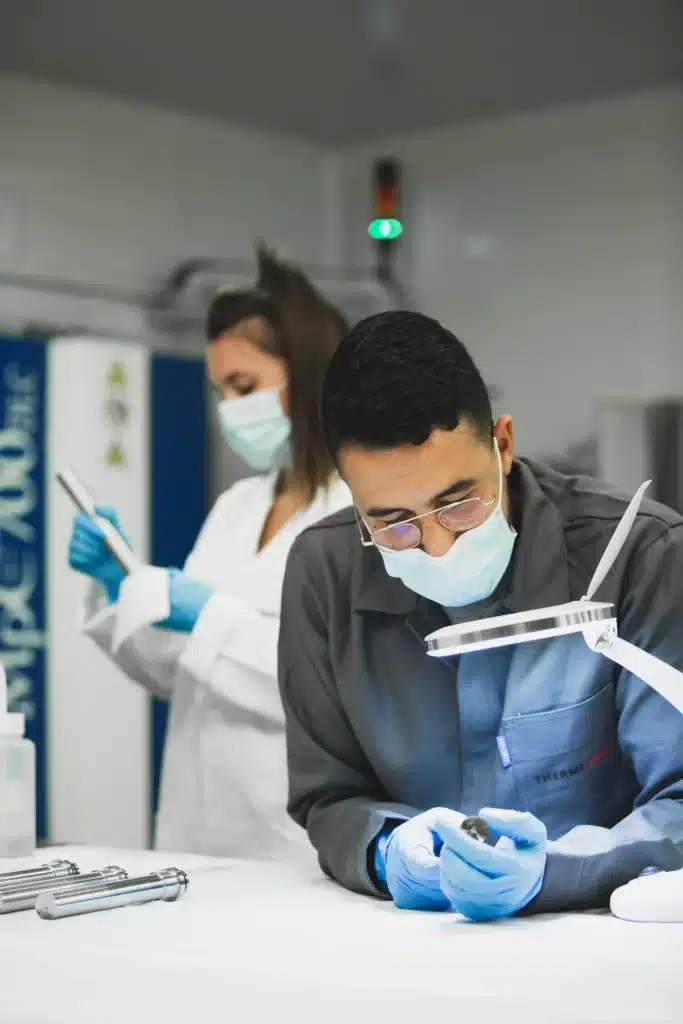
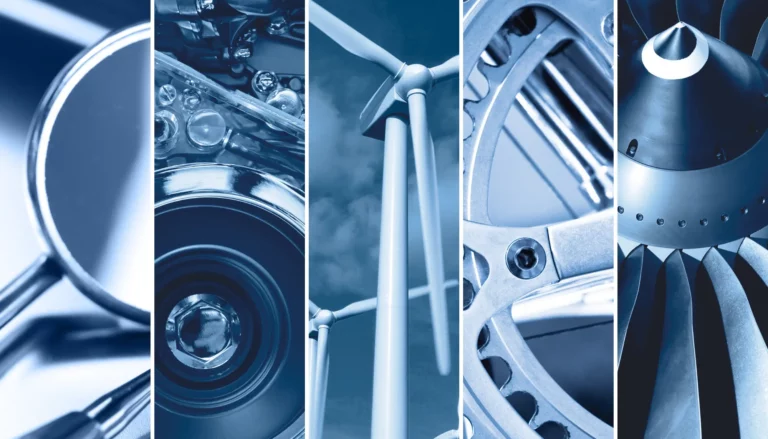



In the medical sector, every instrument, implant, or assembly component must guarantee an impeccable level of reliability. Parts are subjected to demanding conditions: constant contact with the human body, exposure to chemical agents, repeated mechanical stress, and intensive sterilization cycles.
To ensure consistent performance over time, it is essential that the properties of the materials used are precisely tailored. Heat treatment plays a key role in this regard, as it optimizes the structure of materials to enhance their strength and stability.
Understanding the specific constraints of medical components
Demanding operating environments
Medical components must withstand often harsh environments: constant humidity, significant temperature variations, or exposure to powerful cleaning solutions. Sterilization, whether by autoclave, dry heat, or plasma, also requires high temperature cycles that can weaken certain materials if their structure has not been properly prepared.
Materials frequently used for medical devices
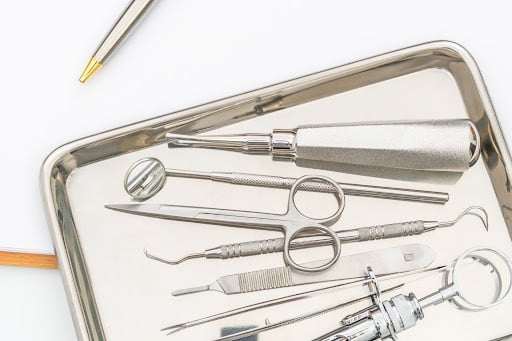
Stainless alloys, titanium , and cobalt-based materials are widely used for their chemical inertness and biocompatibility. However, their original properties may not be sufficient to ensure the expected longevity of critical devices. Precise metallurgical adaptations are therefore necessary to achieve the level of performance required by manufacturers and healthcare professionals.
Heat treatment: an essential lever for increasing durability
Improvement in mechanical strength
By modifying the microstructure of a metal, heat treatmentincreases its resistance to fatigue, deformation, and impact. Components subjected to repeated stress, such as surgical instruments, assembly systems, and implants, thus benefitfrom improved durability andincreased stability during use.
Optimization of corrosion resistance
Exposure to biological fluids or highly humid environments can cause corrosion if not controlled. Certain heat treatments help stabilize metal phases and reduce sensitivity to chemical attack, which is essential for ensuring safe and long-lasting use.
Dimensional stabilization of parts
For many medical devices, dimensional accuracy is crucial. A part that deforms slightly over time can compromise the effectiveness or safety of an instrument. Thanks to specialized treatments, the internal stresses in the metal are reduced, limiting deformation during successive sterilizations or mechanical stress.
The main heat treatments used for medical components
Annealing and stress relief
Annealing aims to homogenize the structure of materials while removing residual stresses resulting from machining or forming. This treatment improves the stability of the material when it is subjected to high temperatures or repeated cycles.
Quenching and tempering
Tempering hardens certain alloys while improving their ability to withstand stress and impact. Combined with carefully controlled annealing, it strikes a balance between hardness and toughness, which is essential for parts that must withstand mechanical fatigue.
Thermochemical treatments
Processes such as nitriding or carbonitriding strengthen the surface layers of materials. They greatly increase abrasion resistance, a key advantage for instruments subjected to repeated contact or intense local stress.
Vacuum processing: a requirement for cleanliness and precision
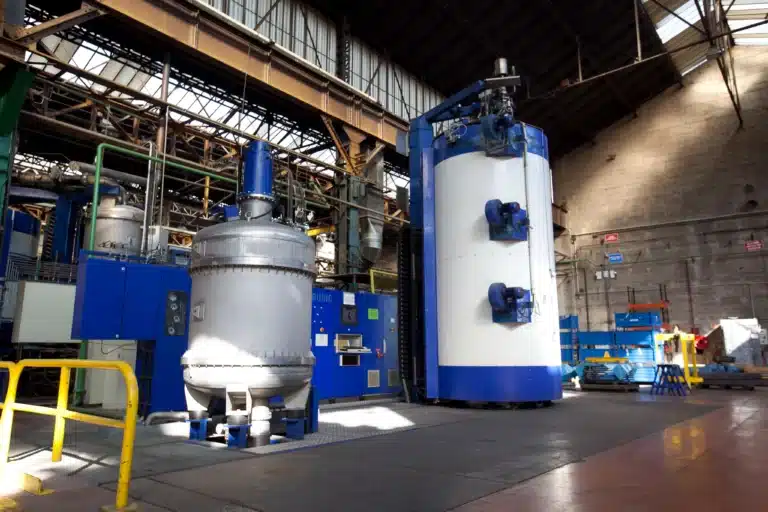
Vacuum treatment, particularly sought after in regulated industries, allows materials to be modified without the risk of oxidation. The absence of impurities and the precision of the treatment atmospheres ensure high reproducibility, limited deformation, and quality that is perfectly suited to the requirements of the medical field.
The benefits of heat treatment on the lifespan of medical components
Extended service life of instruments
By strengthening the characteristics of materials, heat treatments reduce wear and tear and delay the onset of defects. Manufacturers and healthcare facilities thus benefit frommore durable instruments that require less replacement.
Improved clinical performance
Stable, durable, and reliable components ensure consistent precision with every use. Whether it's an implant or a surgical instrument, clinical performance depends largely on the material's ability to maintain its properties over time.
Reduced risk of failure
Mechanical or chemical failure can have serious consequences in a medical context. By strengthening the internal and surface strength of components, heat treatment minimizes these risks and directly contributes to the safety of both patients and practitioners.
Heat treatment plays an essential role in improving the service life and reliability of medical components. By optimizing material properties, it enables manufacturers to guarantee stable, durable, and safe devices. Working with an expert partner such as the Thermilyon Group ensures perfect control over treatments and quality that meets the industry's most stringent requirements.