


Copper-Finish PVD Prestige Collection
Copper tones for your projects
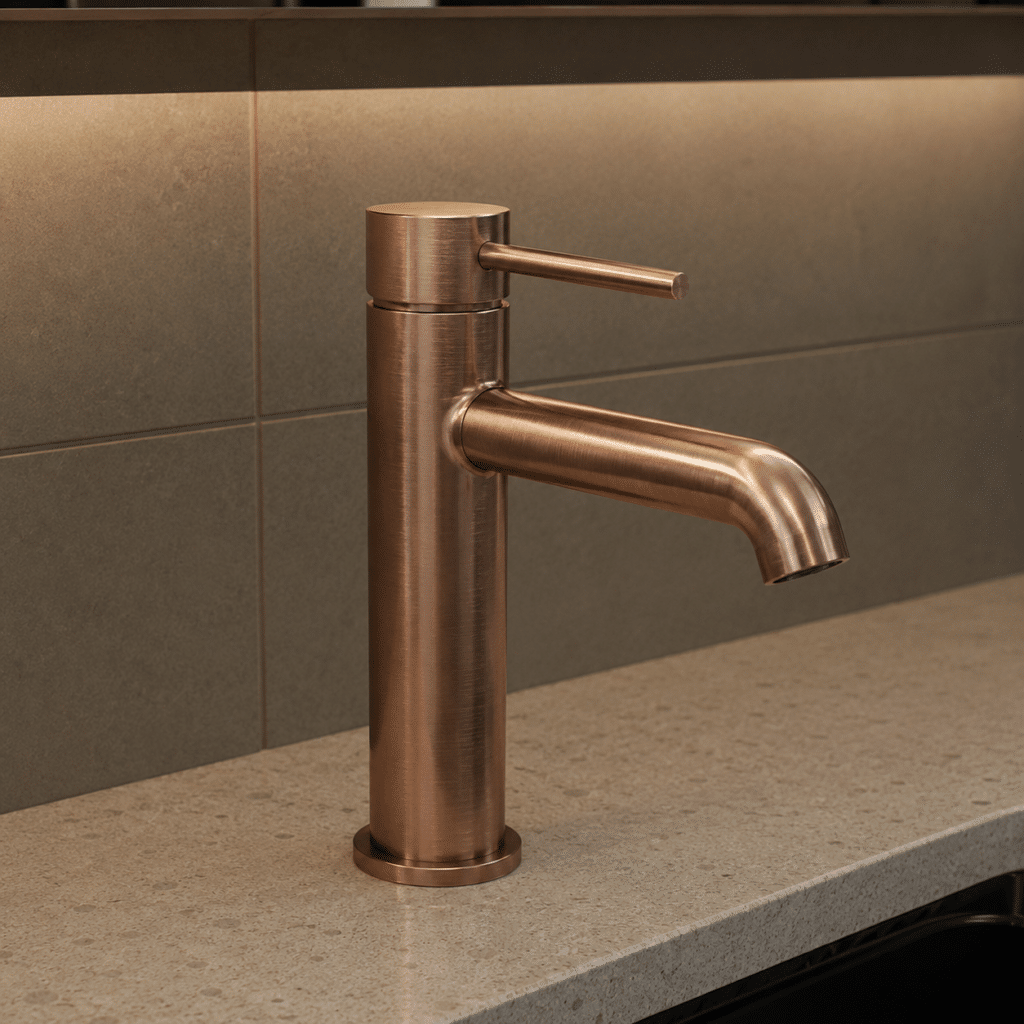
Our PVD coatings allow us to produce various shades of bronze or coppery pink.
The part's surface finish contrasts the final color and adds depth, brilliance or shine, depending on your project requirements.
These coatings are particularly appreciated in the watchmaking and jewelry markets. They sublimate all your components and products with modernity and elegance.
In addition to their uniform color, our copper coatings have particularly interesting properties, including, in particular, extreme surface hardness:
- Wear resistance
– Scratch resistance
– Durability
– Edibility
To study and order your pink cladding project
To help us study your project, please send us :
- Plan of the part (including any areas not to be coated).
- Material of the part to be coated.
- Expected color and finish (satin, gloss, matte, etc.)
- Number of parts per shipment per year.

business sectors concerned

Our various documentations
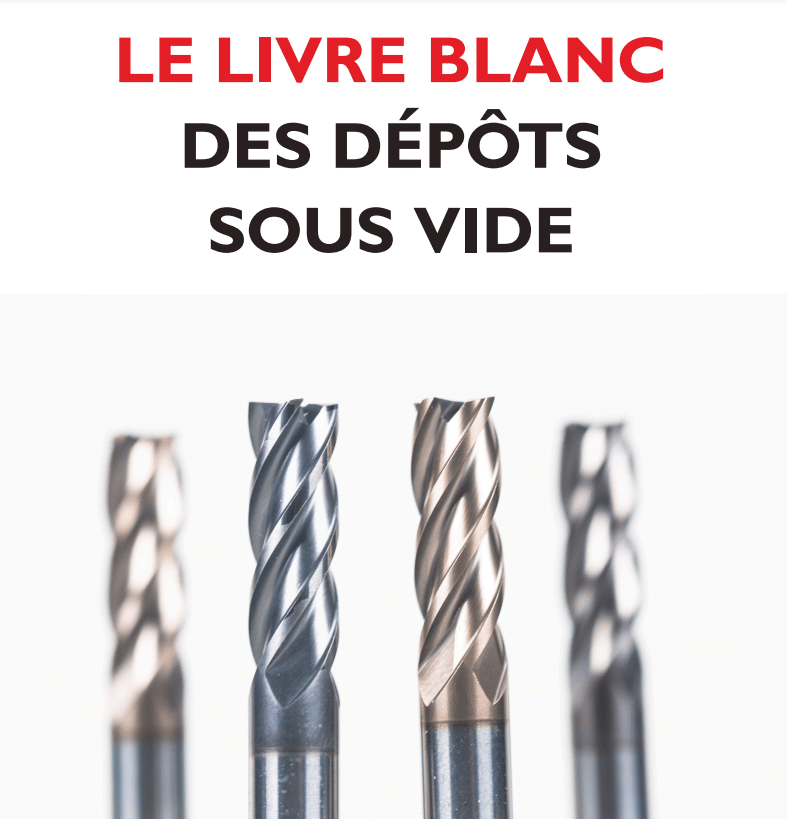
Our FAQs
Vacuum deposition is a surface treatment used to deposit a material or alloy on a mechanical part.
The use of vacuum technology ensures a perfectly clean, non-polluting process.
It is not subject to REACH legislation.
The deposition method depends above all on the nature of the coating to be deposited and the substrate.
If the substrate cannot be heated to high temperature, the deposition must be carried out using low-temperature technology.
If the coating to be deposited consists of a solid element (metal or graphite target), a physical process such as PVD is used. If the coating consists of a gas or liquid, a chemical process such as CVD or PACVD is used.
This process significantly increases resistance to wear, abrasion, and friction. As a result, the service life of the components is greatly extended.
Standard thicknesses are of the order of 3µm and deposition is carried out on finished parts.
PVD stands for physical vapor deposition. The material to be deposited is produced by evaporation or atomization through a physical process. PACVD stands for plasma-assisted chemical vapor deposition. The material to be deposited is produced through chemical reactions. The plasma allows this chemical reaction to occur at a lower temperature.
Nature of steel or carbide, if steel treated, please specify the treatments carried out. Desired characteristics (hardness), quantities of parts per shipment and per year, drawings of the part and specifications. If possible, how the part will be used and its final purpose.

Do you have a question or a need?
Our dedicated decorative coatings team is here to help.
Contact usOur latest news
Read our latest articles on metal treatment.