

In demanding sectors such as aerospace, medical, automotive and tooling, surface coatings play a decisive role in the performance and durability of parts. They improve wear resistance, limit friction and enhance product adhesion to the surface of treated parts. Among the most effective solutions available to manufacturers are coatings based on PVD and DLC technologies, two processes with very distinct characteristics. Understanding their differences and specific uses is essential to choosing the solution best suited to the constraints of each industrial application.
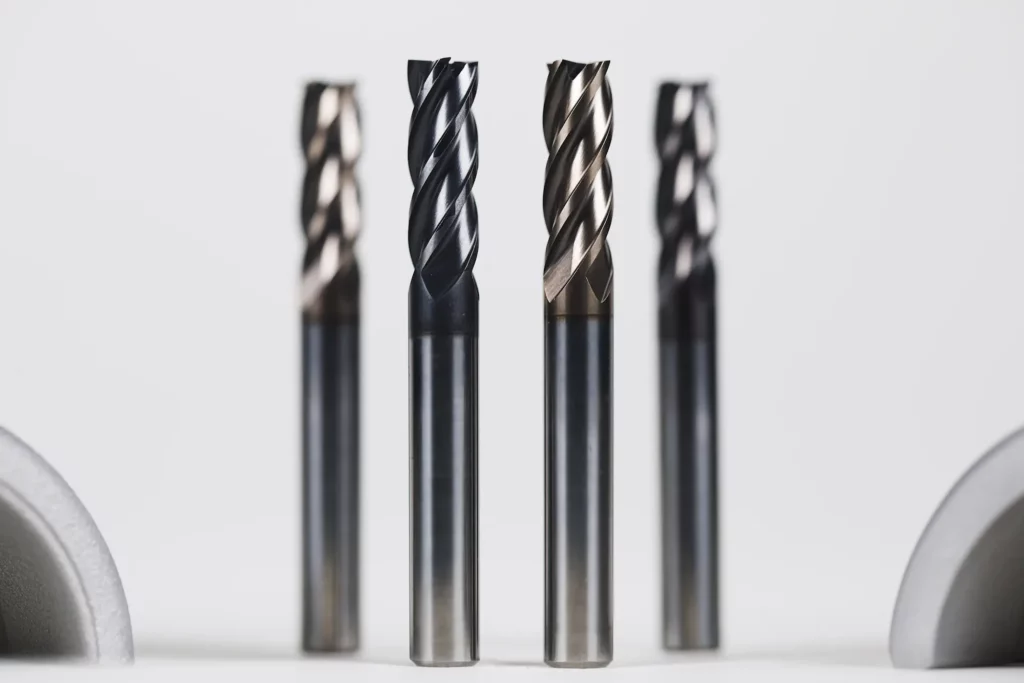
PVD and DLC: two technologies with distinct principles
PVD coating, which stands for Physical Vapor Deposition, is based on a vacuum vacuum deposition which applies a metallic or ceramic layer to a part. This extremely fine, homogeneous layer offers remarkable hardness and resistance properties, while providing a high-quality aesthetic finish.
In comparison, DLC, or Diamond-Like Carbon, is an amorphous carbon deposit with properties similar to those of diamond. It boasts an extremely low coefficient of friction and excellent wear resistance.
A comparison between PVD and DLC highlights some major differences: PVD stands out for its ability to withstand very high temperatures under high stress, while DLC excels in applications requiring a low coefficient of friction, in the absence of lubrication or when lubrication is impossible.
The specific advantages of PVD coatings
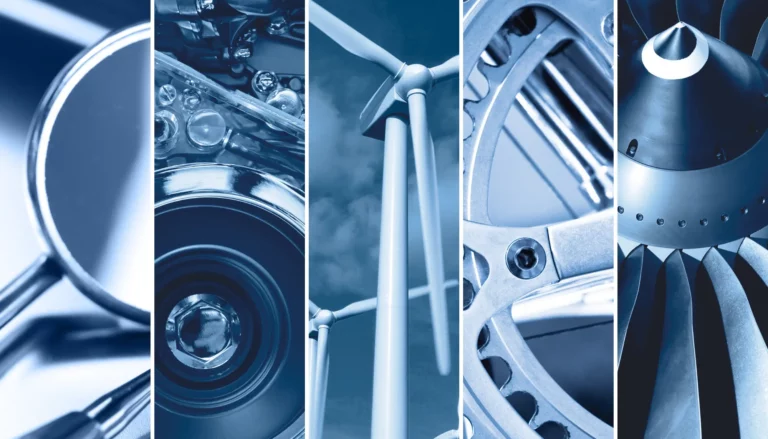
The PVD process produces coatings that are particularly resistant to extreme conditions. Parts treated with this technology retain their properties even when subjected to high temperatures or aggressive environments. This robustness makes them a preferred choice in the aerospace industry for turbine treatment, in the automotive industry for transmission components, and in industrial tooling where precision and wear resistance are crucial. When it comes to comparing PVD and DLC, it's important to note that PVD offers a wide range of finishes and colors, an added advantage in certain sectors, notably medical and luxury goods.
The benefits of DLC coatings in industrial applications
The DLC coating, meanwhile, is the solution of choice in environments where reduced friction is paramount. Its very high hardness and extremely low coefficient of friction limit energy loss and extend the life of highly stressed moving parts.
This makes it a key ally for the automotive industrywhere it is widely used on components such as hydraulic tappets, camshafts, valve rods and piston rings. The aeronautics, special machinery and robotics sectors, for example, use it for transmission components, especially when speeds and loads are high and lubrication is limited or non-existent. In the medical sector, DLC is used for instruments requiring extreme precision and self-lubricating behavior. Finally, DLC coatings are widely used in the plastics industry, thanks to their high hardness combined with interesting sliding and non-stick properties. When the PVD vs. DLC question is examined, it becomes clear that DLC is particularly well suited to applications where mechanical stresses and the need for dry lubrication are dominant.
PVD vs DLC: which coating is right for you?
The choice between these two solutions essentially depends on the application constraints of the parts concerned. Temperature conditions, the nature of friction, exposure to corrosion or the need for a specific surface finish are all parameters to be taken into account. For example, a component destined to operate in a high-temperature environment is more likely to be treated with a PVD coating, while a part subject to high friction and requiring self-lubricating behavior will find a DLC deposit of definite interest. The comparative analysis between PVD and DLC must always be carried out in the light of the specifications of the final application, as these two technologies offer complementarities that can also be exploited in certain hybrid configurations. Moreover, there is not just one, but many different types of PVD and DLC coating, each developed for a specific application.
Comparing PVD and DLC means evaluating technologies with distinct but often complementary properties. Where PVD stands out for its resistance to high temperatures and its aesthetic qualities, DLC stands out for its low coefficient of friction and its ability to limit wear. The choice of the right coating is based on a detailed analysis of the application's constraints and the support of a trusted partner such as the Thermilyon group. This expertise guarantees a treatment perfectly adapted to the requirements of each industrial sector, and maximizes part performance and service life.