



In many industrial sectors, the reliability of critical components is non-negotiable. Whether used in the automotive, aerospace, medical or industrial tooling industries, each component must withstand intense mechanical stress while maintaining its performance over the long term. The hardness of a component has a direct influence on its resistance to wear, fatigue and impact.
Metal hardening is one of the most effective ways of meeting these requirements. This process increases a part's mechanical strength, prolongs its service life and reduces the risk of failure. Optimizing this hardness requires choosing the right processes, controlled implementation and rigorous quality control.
Why is hardness essential for safety-critical components?
Hardness is a fundamental indicator of a material's ability to withstand mechanical stress and retain its properties under severe operating conditions. In the case of critical components, insufficient hardness can lead to accelerated wear, or even sudden failure, with consequences that can even bring a production line to a halt or endanger users.
Metal hardening aims to strengthen the surface and sometimes the core of the material, so that it can better withstand these stresses. This is essential for parts subjected to repeated friction, impact or corrosive environments.
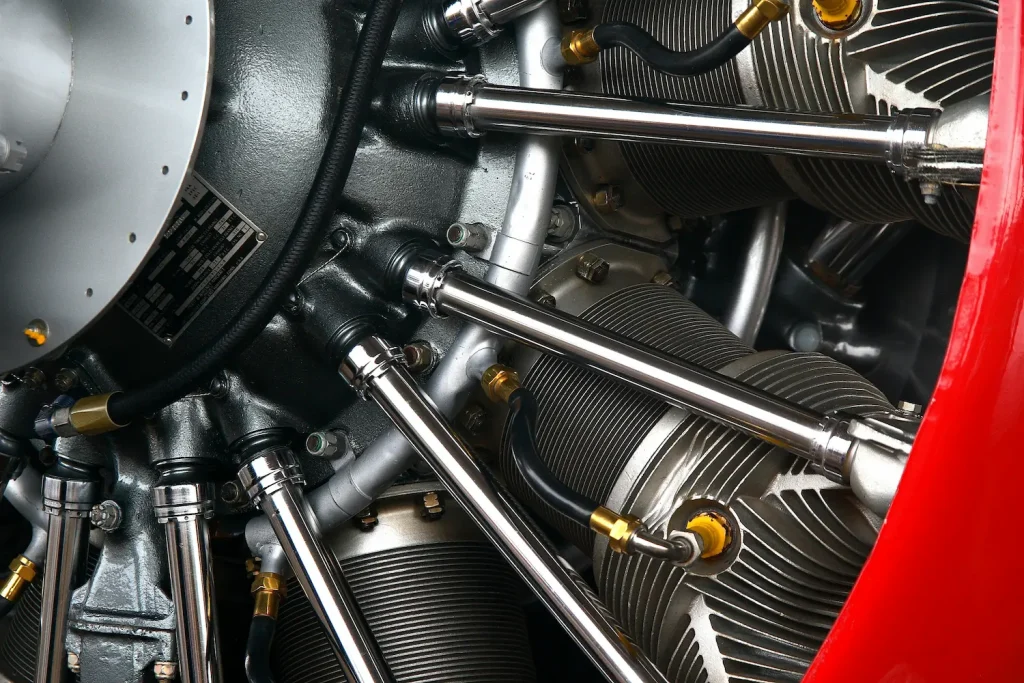
In the aeronautics industry, for example, certain structural parts have to maintain their performance over thousands of flight hours, while in the automotive industry, transmission components are subject to continuous high-intensity stress.
Metal hardening processes: tailored solutions
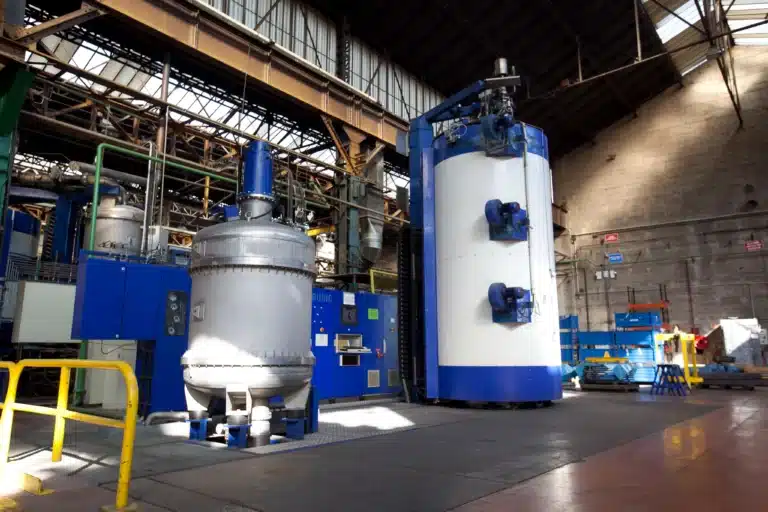
There are several methods for optimizing component hardness. Heat treatmentssuch as quenching followed by tempering, modify the internal structure of the metal to increase its strength.
Thermochemical treatments, such as carburizing, carbonitriding or nitriding, enrich the metal surface with alloying elements to create a hard, wear-resistant layer.
In addition, vacuum deposition processes such as PVD or CVD enablea thin but extremely hardcoating to be applied, improving performance while maintaining part dimensions. Each metal-hardening process has its own advantages, and should be chosen according to use, part geometry and the environmental constraints to which it will be subjected.
How do you choose the right curing process for your needs?
Selecting the right process is not just a question of finding the maximum hardness. It must take into account several parameters: the nature of the base material, actual mechanical stresses, exposure to corrosion, dimensional tolerances, as well as the standards applicable in the sector concerned.
Over-aggressive metal hardening could weaken the part, while inappropriate treatment could prove ineffective. This is why a precise analysis of operating conditions is essential before defining a treatment strategy.
Optimize metal hardening with quality control
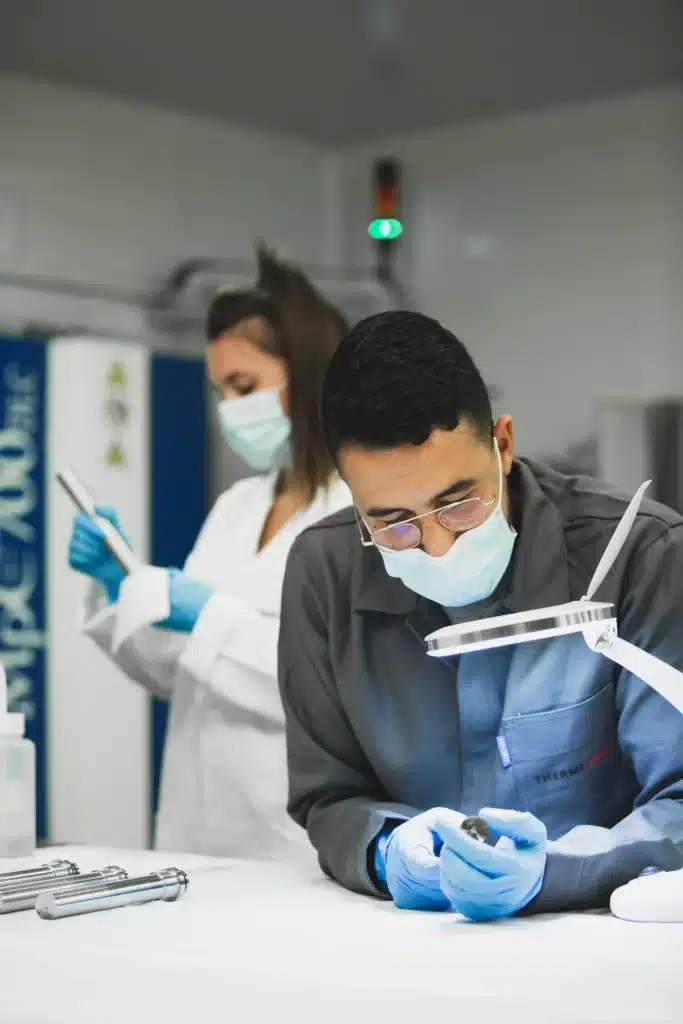
Even the best treatment process doesn't guarantee performance if quality control isn't up to scratch. Hardness tests (Rockwell, Vickers, Brinell) verify that the part meets the defined requirements. Non-destructive testing, such as magnetic particle or ultrasonic testing, ensures the absence of internal defects.
By systematically integrating these checks, manufacturers can ensure that each metal hardening operation achieves its objectives, and that the parts delivered can operate safely in their critical environments.
Metal hardening is much more than a simple treatment: it's a strategic lever for guaranteeing the safety, durability and performance of critical components. By combining a judicious choice of processes, controlled implementation and rigorous quality control, it is possible to optimize hardness while respecting the specific constraints of each application.
To benefit from recognized technical expertise and tailor-made solutions, the Thermilyon Group makes available its know-how in heat treatment and vacuum deposition, to support manufacturers in the production of reliable, high-performance components that meet the most stringent requirements.