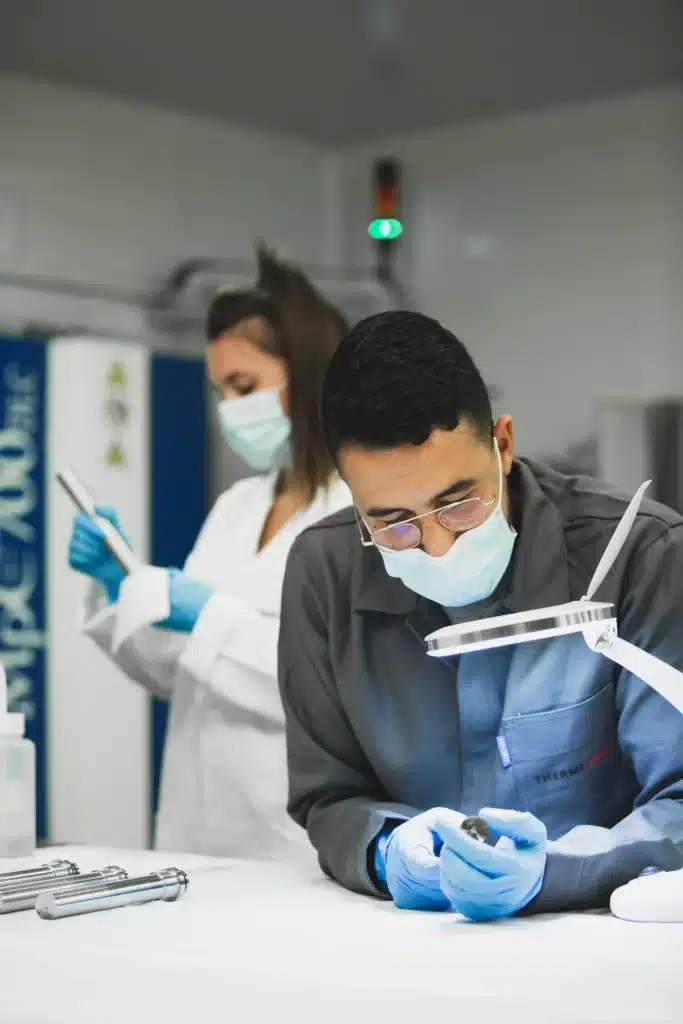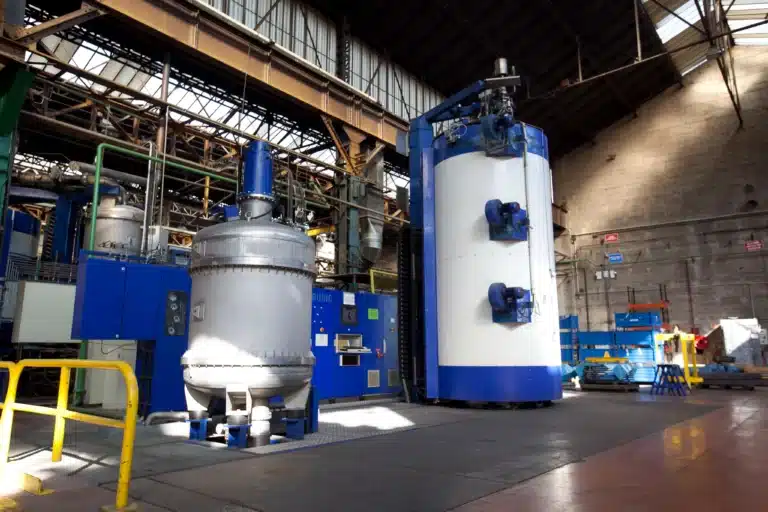




In cutting-edge sectors such as aerospace, automotive, medical and precision engineering, the performance expectations of mechanical components have never been higher. Resistance to wear and seizure, protection against corrosion, reduction in the coefficient of friction: these technical demands are driving manufacturers to seek out surface treatments capable of delivering significant gains in durability and reliability. It is in this context that vacuum deposition is emerging as an essential solution. Thanks to physico-chemical processes carried out under vacuum, this technology enables the application of ultra-fine coatings with excellent adhesion and tailor-made properties. The key, however, lies in knowing which treatment to choose, depending on the constraints of use and the materials concerned.
The definition and advantages of vacuum deposition
Vacuum deposition uses a controlled atmosphere to deposit a thin layer of material on a surface, without direct contact or exposure to ambient air.
This method guarantees absolute cleanliness and excellent coating homogeneity. The best-known processes include PVD (Physical Vapor Deposition), PA-CVD (Plasma Assisted - Chemical Vapor Deposition) and CVD (Chemical Vapor Deposition), each tailored to specific applications.
Unlike more conventional treatments such as galvanizing or chromium plating, vacuum deposition ensures greater precision, while being more respectful of the environment because it does not release pollutants.
Why choose vacuum coating?
Vacuum coating is not simply a secondary aesthetic or technical issue. It's a strategic lever for extending part life, reducing maintenance costs, and limiting efficiency losses due to wear and friction.
Good vacuum deposition can transform a standard component into a high-performance part, capable of operating under extreme conditions. This is particularly true in aerospace, where long-term reliability is paramount, or in medical applications, where every surface property can have a critical impact on biocompatibility or mechanical precision.
How do you choose the right coating for your needs?
To select the right coating, several criteria need to be analyzed. Firstly, the nature of the substrate itself: hardened steel, aluminum, titanium... Each reacts differently to vacuum deposition and requires appropriate preparation.
Then there are the operating conditions: operating temperature, intensity of frictional stress, gumming or bonding problems, exposure to chemical agents, use in the presence of high pressures or mechanical shocks.
And lastly, the objectives: do you mainly want to improve hardness, limit adhesion, optimize tribological behavior or protect against oxidation?
The right choice is often the result of a combination of these parameters, linked to the sector of activity concerned.
Examples of vacuum coatings for every application
Different types of vacuum coating exist, each with its own distinct properties.
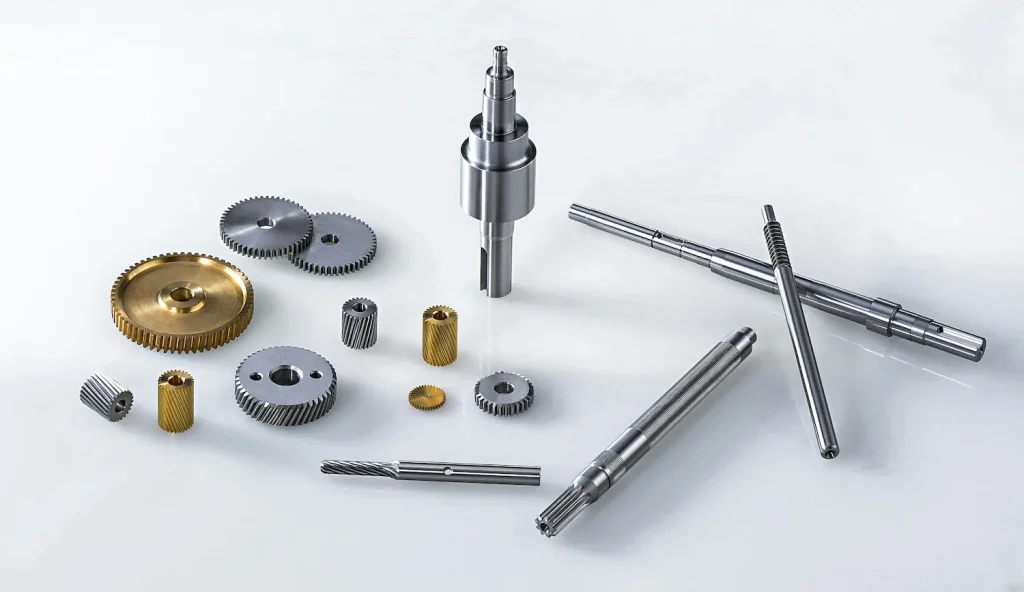
TiN (titanium nitride), for example, is appreciated for its hardness and versatility. CrN (chromium nitride) is an alternative to hard chromium plating and excels in corrosive environments. DLC (Diamond-Like Carbon) stands out for its extreme wear resistance and very low coefficient of friction. These treatments, based on vacuum deposition, can be finely adapted to industrial requirements, whether for tooling, moving parts, implantable components or surfaces subject to repeated cycles.
In conclusion, the right choice of vacuum coating means anticipating the future constraints of a mechanical part and giving it the best chance of long-term performance. Thanks to vacuum deposits, it is now possible to combine lightness, robustness, precision and durability, without compromise. To identify the solution best suited to your needs, rely on the experience of the Thermilyon Group. Our expertise in advanced surface treatments will help you achieve lasting, controlled performance.